Unveiling the psychology behind casino design
The Allure of Ambience
When stepping into a casino, the first thing that strikes an individual is the distinctive ambience created by designers. Lighting plays a pivotal role in establishing this atmospheric allure. Soft, ambient lighting is often used to create an inviting atmosphere while strategically placed spotlights highlight game tables and machines. This combination not only draws players in but also fosters a sense of comfort, encouraging them to linger longer and engage more deeply with the environment. For example, many enthusiasts enjoy the excitement found at the rocket casino where the overall effect is to create a sensory experience that feels both thrilling and secure, a perfect blend for encouraging prolonged play.
The use of color is another essential aspect that influences the psychological experience of casino patrons. Warm tones, such as reds and golds, are commonly employed to evoke feelings of excitement and luxury, creating an exhilarating environment. These colors stimulate emotions that can enhance the thrill of gambling, making players more inclined to spend time and money. Moreover, the seamless blend of soundscapes—from the soft chatter of conversations to the enticing sounds of slot machines—contributes to an immersive experience, encouraging visitors to remain in the space longer. This auditory feedback serves to reinforce the visual stimuli, creating a holistic environment that captivates the senses.
Strategic placement of attractions also ties into the ambience of a casino. Game tables, slot machines, and lounge areas are carefully arranged to maintain foot traffic flow, allowing visitors to navigate effortlessly from one attraction to another. This design tactic not only promotes exploration but also creates a sense of discovery, subtly inviting players to engage continually. The layout encourages players to wander and experience various gaming options, further enhancing their emotional investment in the casino atmosphere. With the ambience carefully curated, the psychological underpinnings of casino design compel individuals to dive headfirst into the thrill of the gaming experience.
Cognitive Triggers in Game Design
The design of individual games is steeped in an understanding of cognitive psychology. Casinos implement various mechanisms to trigger specific psychological responses, maximizing player engagement and retention. For example, slot machines often utilize bright, flashing lights and engaging sound effects to create a sense of anticipation and reward. These elements trigger the brain’s reward system, making players more likely to continue playing in hopes of that next big win. The sensory overload created by these stimuli not only captivates attention but also reinforces the desire to chase the elusive jackpot.
An intriguing element of game design is the concept of near-misses, which play a significant role in keeping players engaged. By frequently presenting players with outcomes that are almost victories, casinos tap into cognitive dissonance—where the illusion of being close to a win can motivate individuals to keep playing. This design strategy exploits a common psychological phenomenon, leading to increased playtime and expenditure as players chase their perceived luck, convinced that victory is just around the corner. The near-miss effect makes players feel rewarded even when they lose, which paradoxically encourages them to gamble more.

Moreover, the concept of variable rewards enhances the game’s appeal. The unpredictability of wins creates suspense and excitement, motivating players to continue playing even in the face of losses. This psychological principle mirrors behaviors seen in gambling addiction, where the occasional reward fosters a compulsive cycle. Thus, game design in casinos is not just about entertainment; it is a sophisticated manipulation of cognitive triggers, driving players to engage in prolonged gameplay. The thrill of the unknown keeps players coming back, making it crucial for casinos to continually innovate their gaming offerings.
The Role of Layout and Traffic Flow
The physical layout of a casino is a testament to meticulous planning and psychological insight. The arrangement of gaming areas is designed to create a natural flow that encourages movement throughout the casino. By placing high-stakes games in more secluded areas, casinos cultivate an air of exclusivity and prestige, which can entice players to seek higher thrills and risk greater amounts of money. This design choice also allows for a quieter environment for those playing at higher stakes, creating a comfortable atmosphere for players who prefer a more intimate gaming experience. The spatial dynamics are thus crucial for catering to different player preferences.
Additionally, pathways and sightlines are intentionally constructed to guide players through the casino. With an open layout, players are drawn to the brightest lights and the sounds of winning machines, leading them toward the areas where action is most concentrated. By creating a sense of urgency and excitement, casinos amplify the likelihood of spontaneous gambling decisions. As players venture deeper into the casino, they become immersed in the experience, often losing track of time and personal finances. This immersion is a key factor in casino design, as it capitalizes on the players’ focus, encouraging them to stay longer.
This strategic design also includes the placement of amenities such as bars and restaurants. By integrating these services with gaming areas, casinos create a destination that caters to various needs and encourages longer visits. The combination of gaming, dining, and entertainment all in one location fosters an environment where guests feel inclined to stay, socialize, and, of course, continue playing, thus enhancing overall revenue for the establishment. This interconnectedness of services reinforces the idea that a visit to the casino is not merely about gambling, but a holistic experience.
The Influence of Rewards and Loyalty Programs
Casinos invest significantly in loyalty programs and rewards schemes, leveraging psychological principles to foster customer retention. These initiatives are designed to create a sense of belonging and reward players for their engagement. By offering points, bonuses, and exclusive perks, casinos tap into the human desire for recognition and status. This strategy not only encourages repeat visits but also cultivates a loyal customer base willing to spend more over time. The psychological satisfaction derived from earning rewards plays a crucial role in enhancing the overall gaming experience.
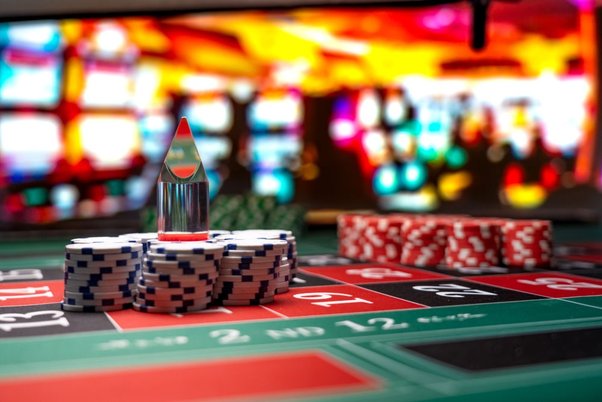
Moreover, the anticipation of rewards plays a crucial role in player psychology. By providing tiered rewards systems, where players can attain different levels of benefits, casinos create a gamified experience beyond gambling itself. This setup instills motivation to not only play more but also explore additional games or services the casino has to offer. The psychological allure of unlocking higher tiers reinforces the player’s commitment and investment in the casino experience. This sense of progression makes players feel that their loyalty is being rewarded, fostering a deeper connection to the establishment.
Additionally, the concept of exclusivity amplified by VIP programs fosters a sense of prestige among higher-stakes players. Exclusive access to luxurious areas enhances the perceived value of their engagement; this strategy often reinforces their perception of themselves as significant players within the casino community. Overall, these reward systems effectively intertwine the experience of gambling with psychological incentives, ensuring that players remain loyal to the casino while spending more freely. The importance of these programs cannot be overstated, as they serve as a cornerstone of customer retention strategies.
Exploring Further at Our Website
To delve deeper into the intricate relationship between psychology and casino design, we invite you to explore our website, where we provide extensive resources and insights. Our platform aims to offer comprehensive analyses that encompass various aspects of casino operations, from design elements to industry trends. We believe in promoting informed experiences that enhance player enjoyment while encouraging responsible gaming practices. By providing a wealth of knowledge, we strive to empower our readers with the information necessary to make educated choices about their gaming experiences.
Our content is crafted to cater to both casual readers and industry professionals, ensuring a broad understanding of the complex dynamics at play within the casino environment. Whether you are seeking to understand the psychological strategies at work or simply curious about the latest architectural trends in casino design, our website is a valuable resource to expand your knowledge. Join us on this enlightening journey into the world of gaming, where every detail contributes to the overall experience, and understanding these elements can enhance your appreciation of the casino landscape.
In our commitment to providing valuable insights, we continually update our resources with the latest findings and trends in the industry. Our goal is to become a go-to source for anyone interested in the psychology of gaming environments and their impact on player behavior. By exploring our website, you will gain a deeper appreciation for how various elements of design and player psychology interconnect, ultimately shaping the gaming experience. Engage with our content, and be part of the conversation about responsible gaming and the future of casino design.