Why do people gamble? The allure of casinos explained
The Psychological Thrill of Gambling
The allure of gambling is deeply rooted in the psychological thrill it offers. Many individuals are drawn to the excitement of potentially winning large sums of money, igniting a euphoric sense of hope and possibility. This excitement is amplified by the unpredictable nature of games, where outcomes can shift dramatically in an instant, eliciting strong emotional responses. For those seeking the best experiences, instant withdrawal casino uk platforms provide an additional layer of enjoyment, enhancing the thrill of the game. The adrenaline rush associated with high-stakes games activates the brain’s reward system, releasing dopamine—a neurotransmitter intricately linked to pleasure and motivation. This neurological reaction not only enhances the immediate thrill but also builds a craving for repeated experiences.
The immersive environment of casinos further enhances this thrill. The bright lights, vibrant sounds, and engaging games are meticulously designed to stimulate the senses, creating an enticing atmosphere that lures people in. Anticipation becomes a critical component of the experience; the tension of waiting for a card to be drawn or a wheel to spin can be just as exhilarating as the final outcome. This emotional investment fosters a deep connection between the player and the game, reinforcing the desire to return and chase that high again and again.
Moreover, the social aspect of gambling plays a pivotal role in its widespread appeal. Many individuals enjoy the camaraderie that comes from sharing the gambling experience with others. Whether it’s cheering for a friend at a poker table or exchanging stories with fellow players, these social interactions enrich the overall experience. The communal atmosphere of casinos transforms gambling from an isolated activity into a shared adventure, making it more enjoyable and encouraging a deeper engagement with the gambling culture.
The Escape from Reality
Gambling often serves as a form of escapism, providing individuals with a temporary reprieve from the stresses and monotony of everyday life. In a world filled with responsibilities and challenges, many people turn to casinos as a sanctuary where they can immerse themselves in a realm of excitement and distraction. The vibrant environment, complete with dazzling lights and captivating sounds, creates an immersive backdrop that allows players to momentarily forget their worries and indulge in a carefree experience.
This desire for escapism can become particularly pronounced during difficult periods in one’s life. Individuals may seek to cope with emotions or challenging circumstances through gambling, finding solace in the act of placing bets. The thrill of a potential win can offer a fleeting sense of control and hope, leading some to view gambling as a way to uplift their spirits. However, this temporary relief can become problematic if individuals begin to rely on gambling as their primary means of coping, potentially leading to compulsive behavior.

Additionally, the experience of winning, even in small amounts, can heighten the sense of accomplishment and satisfaction. This feeling of success often serves as a powerful motivator, encouraging individuals to return and gamble again in hopes of replicating those moments of triumph. As players chase the thrill of victory, they may inadvertently develop a habit or addiction, driven by the desire to recapture the euphoric high that accompanies winning and the excitement of each gamble.
The Influence of Marketing and Environment
The design and marketing strategies employed by casinos play a crucial role in enhancing the allure of gambling. Significant investments are made in creating an inviting and exciting atmosphere that encourages players to engage and spend money. From elaborate decorations to enticing promotions and loyalty programs, the goal is to cultivate a sense of belonging and exclusivity that keeps players returning. These marketing tactics can subtly manipulate perceptions of time and money, making gamblers feel more comfortable wagering larger sums than they initially intended.
Moreover, casinos frequently employ psychological techniques to maintain player engagement. Offering complimentary drinks and meals is one tactic designed to encourage gamblers to stay longer and continue playing. The layout of the gaming floor is also carefully crafted to maximize visibility and accessibility, allowing players to seamlessly transition between different games. These strategies create an environment that blurs the line between leisure and expenditure, making it easier for individuals to lose track of time and money spent.
The advent of online gambling has further transformed the gambling landscape, broadening its appeal and reach. With a plethora of platforms available at the click of a button, individuals can now gamble from the comfort of their homes. This convenience, coupled with targeted advertising and enticing promotions, continues to attract new players, making online gambling a dynamic and rapidly evolving industry. The accessibility of online casinos contributes to a culture in which gambling becomes not just a pastime but a regular part of daily life, reinforcing the cycle of attraction and engagement.
The Role of Cultural Norms and Social Acceptance
Cultural norms and social acceptance significantly shape the allure of gambling. In societies where gambling is perceived as a legitimate form of entertainment, individuals are more likely to engage in these activities without fear of social stigma. The portrayal of gambling in movies, television shows, and popular culture often romanticizes the lifestyle associated with it, presenting it as an exhilarating and glamorous pursuit. This representation can influence public perception, making gambling seem more appealing by linking it to concepts of power, wealth, and adventure.
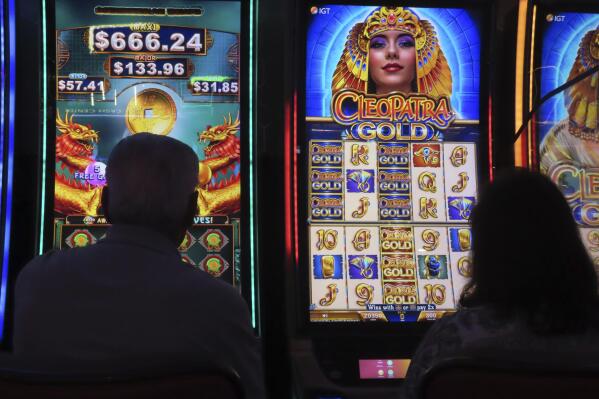
Communities that embrace gambling often organize events, tournaments, and social gatherings centered around betting, further normalizing the practice. Such cultural activities can create a cycle in which gambling is viewed as a rite of passage, particularly among young adults seeking thrilling experiences. As friends and family participate, newcomers may feel encouraged to join in, solidifying their interest and involvement in gambling.
Additionally, attitudes toward gambling can vary widely across different cultures. In some regions, gambling is celebrated and integrated into social activities, while in others, it is met with skepticism or disapproval. This cultural variance influences individual attitudes and can lead to differing levels of engagement with gambling. Understanding these cultural dimensions is essential to comprehending why gambling holds such powerful allure for many people across the globe.
Exploring Responsible Gambling and Resources
While gambling can be a source of entertainment and enjoyment, it is crucial to approach it with responsibility. Awareness of the potential risks associated with gambling is essential for maintaining a healthy relationship with the activity. Organizations dedicated to promoting responsible gambling emphasize the importance of setting limits, recognizing signs of problematic behavior, and seeking help when necessary. These initiatives aim to educate players about the risks involved and encourage informed decision-making.
Many casinos and online platforms have begun implementing measures to foster responsible gambling practices. Features such as deposit limits, self-exclusion options, and access to support services empower individuals to manage their gambling habits effectively. By promoting a culture of responsible gambling, the industry can help mitigate the negative effects associated with excessive gambling, ensuring that it remains a fun and enjoyable pastime for those who choose to partake.
Understanding the psychological and behavioral aspects of gambling is also critical in helping individuals recognize when their activities may be crossing into harmful territory. Engaging with support groups or professional counseling can provide invaluable assistance for those facing gambling-related challenges. By emphasizing the importance of responsible gambling within the broader conversation about its appeal, we can strike a balance between enjoyment and safety, ensuring that gambling remains a positive experience for all involved.